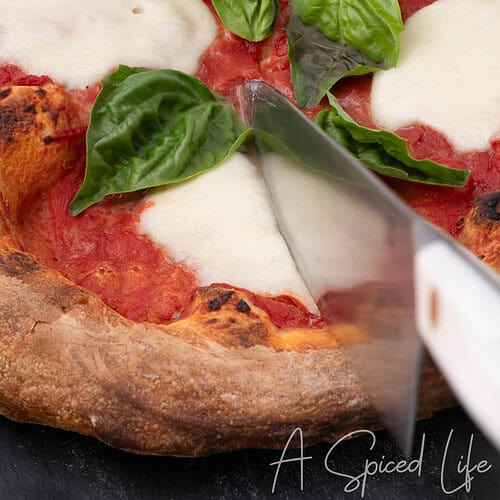
How to Make Incredible Pizza with Store-Bought Pizza Dough (Like the Pros)
Learn how to turn store-bought pizza dough into an incredible homemade pizza with a light, airy crust and crisp bottom. With a few simple techniques like proper stretching, a hot pizza stone, and par-baking the crust, you can achieve pizzeria-style pizza right in your home oven.*Quick Note Before You Dive In: This recipe card covers the basics, but if you want to know how to stretch the dough, prevent sticking, and achieve a crisp pizzeria-style crust, scroll back up! Everything you need for foolproof results is in the Expert Tips section.
Ingredients
- 16 ounce ball store-bought pizza dough
- All-purpose flour for dusting
- 2 teaspoons extra virgin olive oil see note below about usage
Instructions
This recipe is for making the pizza base only. Add any toppings you like.
- Remove the pizza dough from the refrigerator 2 hours before baking.
- About 1 hour before you plan on baking your pizza, place the pizza stone in the cold oven. Set the oven to its highest setting. If you have a convection bake setting, use it.
Form the crust
- Lightly dust your work surface with flour and place the dough ball onto the surface.
- Using your fingertips, press around the dough 1 inch from the outer edge to create a shallow indentation or well.
Stretch the Dough
- Stretch the dough along the indentation, pulling lightly with one hand while rotating the dough with the other. Make sure you pull from the indentation (1 inch from the edge) rather than from the outer rim so the crust stays thick and airy.
Size & Shape the Dough (Two Methods to Choose From)
- Shape the dough with either method below until it is about 14–15 inches in diameter (or the size of your pizza stone). Try not to handle the outer edge, as this needs to be thicker than the rest of the dough.
- Method A: Drape the dough over your knuckles. Rotate steadily so the dough stretches evenly without becoming too thin in spots.
- Method B: Stretch the dough by gently passing the center of the dough back and forth between your palms, allowing the dough to widen gradually.
Add Sauce and Transfer to Pizza Peel
- Spread 3–4 tablespoons of your favorite tomato sauce in a thin layer, leaving about 1 ½ inches around the edge.
- If your oven doesn’t have convection or only reaches 450°F, lightly brush olive oil around the outer rim of the dough to help the crust brown during baking. Transfer the pizza to a floured pizza peel.
- If the dough begins to stick, sprinkle flour onto a pizza spatula or bench scraper and gently slide it under the edges of the dough to release it from the surface.
Par-Bake the Pizza Crust
- Slide the sauced pizza onto the hot pizza stone and bake it without additional toppings for about 5 minutes or until the bottom of the crust is golden.
Add Toppings & Finish Baking
- Remove the pizza from the stone, add the toppings, and continue cooking until the cheese has melted and the crust is browned.
- Let the pizza rest for 3-5 minutes before slicing. This allows it to set and prevents toppings from sliding.
Notes:
Add a light brush of olive oil over the outer edge of the crust: If your oven doesn’t have convection or only reaches 450°F, brush a small amount of olive oil around the outer edge of the dough before baking. This helps the crust brown properly.
Release sticky dough with flour: If the dough sticks, sprinkle flour onto the end of a pizza spatula or bench scraper and gently slide it under the dough to release it.
Use flour sparingly: Too much flour can burn on the pizza stone and make the crust tough.
Avoid using a rolling pin: It will press out the air bubbles and won't give you that light, airy crust.
Stretch slightly larger than needed: Pizza dough will shrink slightly during baking, so stretching the dough a bit larger than your final size helps ensure the right finished diameter.
Work quickly once the sauce is added: Tomato sauce can cause the dough to stick to the counter or pizza peel if it sits too long.
Nutrition information is automatically calculated and provided as an estimate. It is not intended as a substitute for professional dietary advice
Nutrition
Serving: 57gCalories: 148kcalCarbohydrates: 27gProtein: 4gFat: 3gSaturated Fat: 1gPolyunsaturated Fat: 1gMonounsaturated Fat: 1gSodium: 410mgPotassium: 0.01mgFiber: 1gSugar: 4gCalcium: 0.01mgIron: 2mg
Enjoy this recipe?Please leave a comment and tag me @aspicedlifeblog on social